

Airbrushing can feel like magic. A gentle press of the trigger, and suddenly you’ve got misty gradients, sharp edges, or tiny details that brushes could never achieve. But if you’re just stepping into this world, the choice of airbrushes can be confusing. Do you need a gravity feed? A siphon feed? Is single action enough, or should you dive into double action straight away?
That’s exactly what this guide is for. Let’s explore the different types of airbrushes, what makes them unique, and how to choose the right one for your projects. Whether you’re painting models, customizing cars, or creating artwork on canvas, the right tool makes all the difference.
Broadly speaking, there are two main ways to classify airbrushes: by trigger action and by paint feed. Together, these factors shape how the airbrush feels in your hand and how the paint flows.
So, let’s break it down.
One of the first decisions is single action vs double action airbrush.
Single action models are simple. You press the trigger, air and paint come out together at a set ratio. Great for beginners because you don’t need to think about much—just point and spray. The downside? Less flexibility. You can’t adjust paint flow on the fly, which can limit detail work.
Double action, on the other hand, gives you full control. Press down for air, pull back for paint. That means you can start with just a mist and build up gradually. It takes practice, but once you get the hang of it, you’ll never look back. Most professionals prefer double action for its versatility.
The next big divide is gravity feed vs siphon feed airbrush.
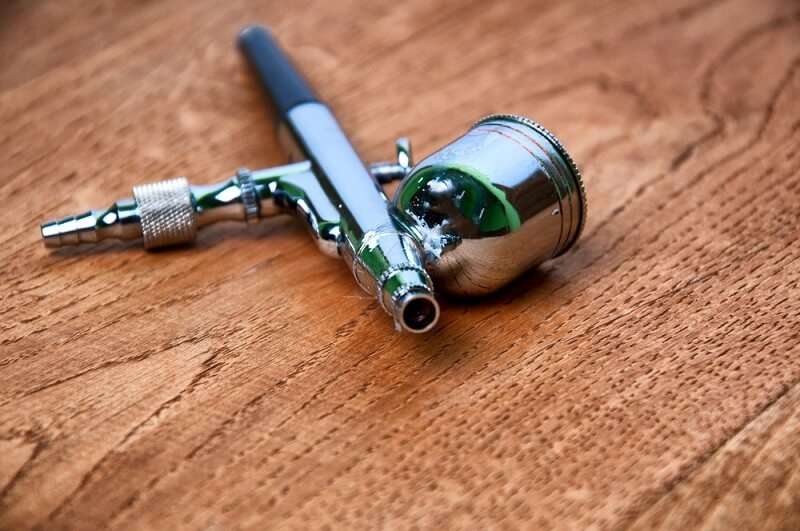
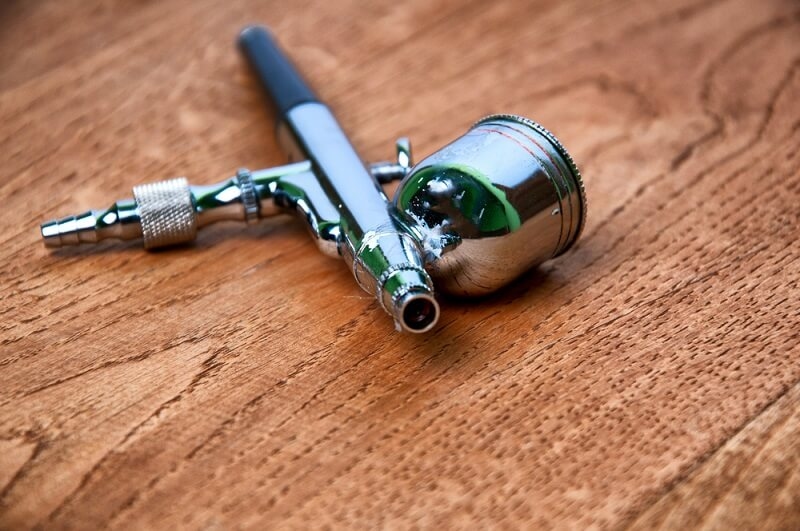
Gravity feed models have a small cup on top. Paint drops straight into the chamber, helped by gravity. This setup lets you use lower air pressure, which means more control and finer detail. They’re also easy to clean because you only work with small amounts of paint at a time.
Siphon feed models, in contrast, have a bottle underneath. Air pressure pulls the paint up into the brush. The benefit here is volume—you can spray larger areas without constantly refilling. They’re handy for T-shirt artists or automotive work where you cover big surfaces.
Which one’s better? It depends on what you want. Detail artists lean towards gravity feed, while large-scale painters often go with siphon feed.
If you’re new, keep it simple. The best airbrush for beginners is usually a gravity feed, double action model. It balances control with ease of use. You won’t waste tons of paint, and you’ll be able to learn fine control from the start.
Look for something with a medium-sized nozzle—around 0.3 to 0.5 mm. Too small and clogs become frustrating; too big and you’ll struggle with detail. Also, make sure it’s easy to disassemble and clean. Trust me, cleaning will become a big part of your routine.
Speaking of nozzles, size matters more than people realize. Airbrush nozzle sizes range from very fine (0.15 mm) to broad (0.8 mm and above).
Choosing the wrong size can make painting harder than it needs to be. If in doubt, start in the middle.
So, choosing an airbrush comes down to your goals. Ask yourself:
Once you know those answers, it’s easier to match an airbrush to your style. And remember, no single brush does everything. Many artists eventually own two or three, swapping depending on the project.
Beyond the basics, there are special airbrushes for niche uses:
These aren’t essential for beginners, but they’re worth knowing about if you dive deeper into the craft.
Even with the right brush, mistakes happen. The most common? Over-thinning paint, spraying too close, and skipping cleaning. Clogged nozzles frustrate everyone at first. The fix is simple: clean regularly and practice your distance.
Another mistake is buying cheap knock-offs. They might save money upfront, but they often break, leak, or clog more easily. Investing in one reliable airbrush saves hours of headaches.
An airbrush is a precision tool. Treat it gently, and it’ll serve you for years. After each session, flush it with cleaner. Take it apart carefully and check for dried paint around the needle and nozzle. Store it safely so the tip doesn’t bend.
Think of it like looking after a musical instrument. A little care goes a long way in keeping performance smooth.
A lot of beginners buy the first airbrush kit they see online and then wonder why they can’t get smooth lines or even coverage. The truth is, not all airbrushes behave the same way. Some are built for fine detail, others for broad coverage. Some are easier to clean, while others give you more control. Knowing the differences saves time, money, and frustration.
Think of it like cooking. You wouldn’t chop vegetables with a butter knife. The same applies here—picking the right airbrush makes the whole process smoother and more enjoyable.
So, what have we learned? That not all airbrushes are created equal, and understanding the types of airbrushes makes your journey much easier. From single action to double action, gravity feed to siphon feed, each choice impacts your control, paint use, and overall results.
For most newcomers, a gravity feed, double action model with a medium nozzle strikes the right balance. As you grow, you might add more brushes to your toolkit. The goal isn’t to own them all—it’s to have the one that fits your project.
And remember, practice beats everything. Even the fanciest airbrush won’t replace steady hands and patient layering. So grab the one that feels right, experiment, make mistakes, and keep spraying. That’s how every artist finds their flow.
This content was created by AI